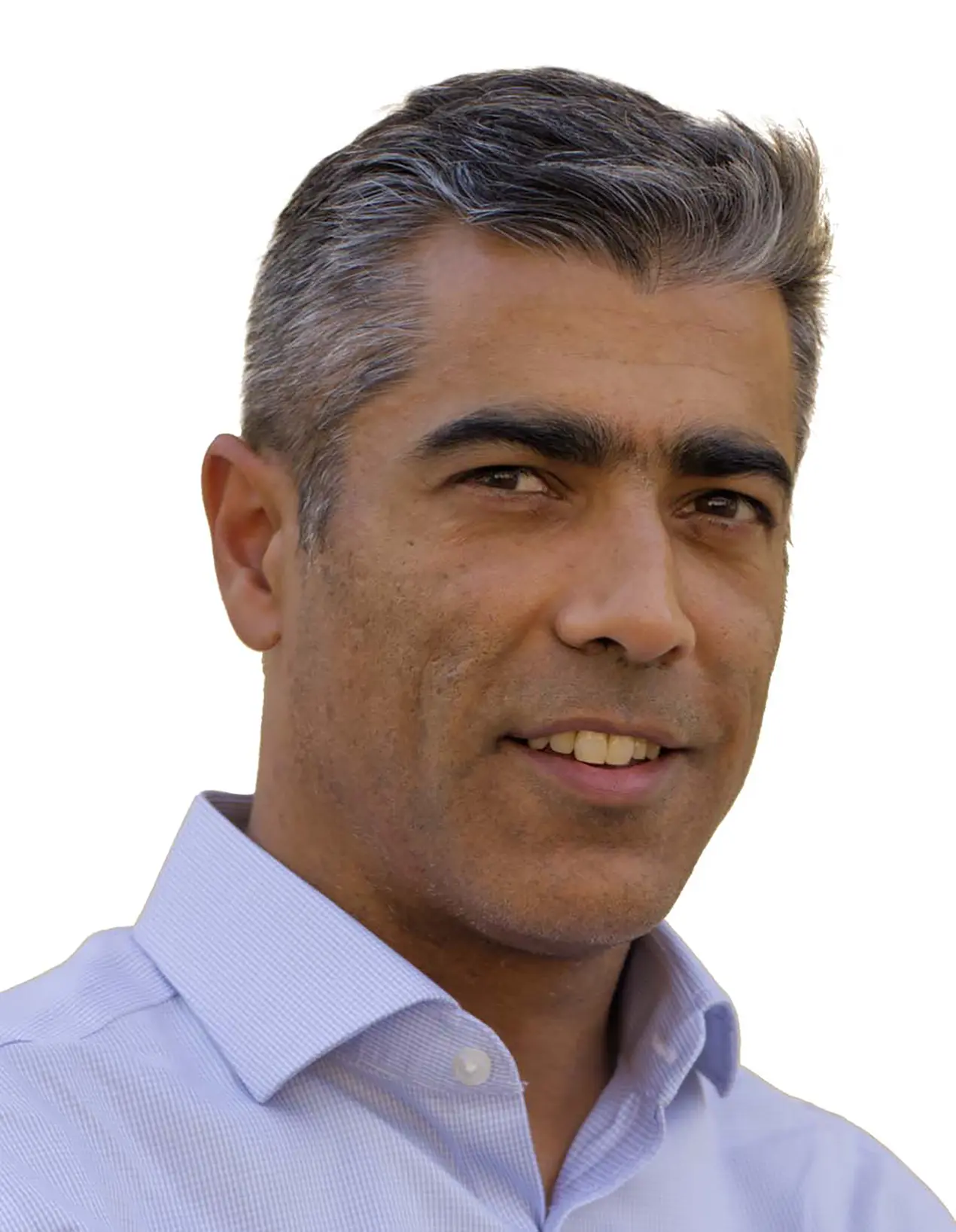
 Fr Isaac-El J. Fernandes SJJesuit PriestSociety of JesusJesuit priest working in Southern AfricaFr. Isaac-El J.FernandesSJ
 1st Sunday of Advent
Date: | Season: Advent | Year: A
First Reading: Isaiah 2:1–5
Responsorial Psalm: Psalm 122:1–9
Second Reading: Romans 13:11–14
Gospel Acclamation: Psalm 85:8
Gospel Reading: Matthew 24:37–44
Preached at: Brother from Another Father podcast in the Archdiocese of Lusaka.
The German author Johann Wolfgang von Goethe spent almost 60 years writing his magnum opus, Faust. The novel centres on a wager between Faust and Mephistopheles, who symbolizes Satan. In a scene reminiscent of the wager between Satan and God in the Book of Job, Mephistopheles approaches God and boasts that he can tempt one of God’s servants—Faust, a man driven by an insatiable desire to know everything that can be known. Faust is perpetually dissatisfied, always striving for deeper knowledge and richer human experience.
To lure Faust away from the path of righteousness, Mephistopheles offers him a deal: he will serve Faust during his earthly life if Faust will agree to serve him in the afterlife. Faust accepts the deal, but with an important nuance. He challenges Mephistopheles to give him an experience so transcendent, so blissful, that he would abandon his striving and declare himself perfectly fulfilled—so fulfilled that he would wish the moment to last forever. If Mephistopheles succeeds in giving Faust such a moment, Faust instantly dies, loses the wager, and Mephistopheles claims his soul. But if Faust continues to strive, never satisfied with finite pleasure or content with the status quo, then Faust wins. Goethe thus transforms the classical “sell your soul for pleasure” story into a philosophical meditation on the human spirit: that the essence of the soul is its constant striving, and that complacency—becoming satisfied with the present moment as if it were eternal—is a kind of spiritual death.
This brief synopsis of Faust can help illuminate today’s gospel. Jesus points to the people in the time of Noah who had effectively sold their souls for pleasure. They were “eating and drinking” with no concern for the deeper meaning of life. They had grown complacent; time had lost its urgency. In Faustian terms, they had allowed themselves to become so absorbed in earthly pleasure that they ignored the spiritual realm and the life to come. They treated the present moment as if it were eternal and thus ceased striving altogether. When we stop striving, the soul shrivels. We become anesthetized to the promise of the future. In that sense, we “sell our souls” not through dramatic acts of evil, but simply by refusing God’s invitation to hope.
This is why hope is such an essential Christian virtue. Hope bridges the gap between our present reality and God’s promises. Without hope, we cannot remain in relationship with God. Advent is the season in which we once again feel the sharp edge of the future—a season of yearning for the fullness that God promises, a fullness that always stays slightly out of reach so that we keep praying, keep moving, keep growing. Our unfulfilled desires are the scalpel with which God shapes us into the people we are called to be.
We must pay attention to our hopes—to the deepest desires God has placed within us. We may wonder whether it still makes sense to wait for reconciliation with an estranged relative, to wait for someone with whom we can build a life, to wait for healing when disappointment has visited us again and again. The temptation is to surrender hope and sink into despair.
This temptation is vividly captured in the painting by the German artist Moritz Retzsch, entitled The Chess Players, inspired by the wager between Mephistopheles and Faust. In the painting, the young man hangs his head in anguish, unable to see a way out of his impending defeat. Satan leers triumphantly, having cornered him and prepares to pounce and seize his soul. The painting became nicknamed “Checkmate,” because Satan appears to be one move away from certain victory.
But when the great chess master Paul Morphy examined the painting in the Louvre, he became captivated by the young man’s plight. After studying the board intensely, he suddenly exclaimed, “Young man, you still have one more move!” Morphy had discovered the move that would save the young man from defeat—and even win the game for him.
So too with us: we always have one more move. Through the inspiration of the Holy Spirit, God always leads us to the next move. For this reason, we must not give up. We are called to be a people of hope—hope for ourselves, hope for one another. We are called to be a people of prayer, alert to the ways God is already at work in our world, so that we may recognize and welcome the Lord when God breaks into our reality in a definitive way.
Questions for Reflection
- Where in my life have I grown complacent—treating the present moment as if it were eternal—and where is God inviting me to begin striving again with renewed hope?
- What deep desire or long-delayed hope in my heart might God be using as a “scalpel” to shape me, and how can I entrust that desire more fully to God during this Advent season?